OUR BLOG Ideas, Insights & Branding Inspiration
Discover ideas, practical advice and behind-the-scenes insight on branded merchandise, product design and web design for UK businesses.
Discover ideas, practical advice and behind-the-scenes insight on branded merchandise, product design and web design for UK businesses.
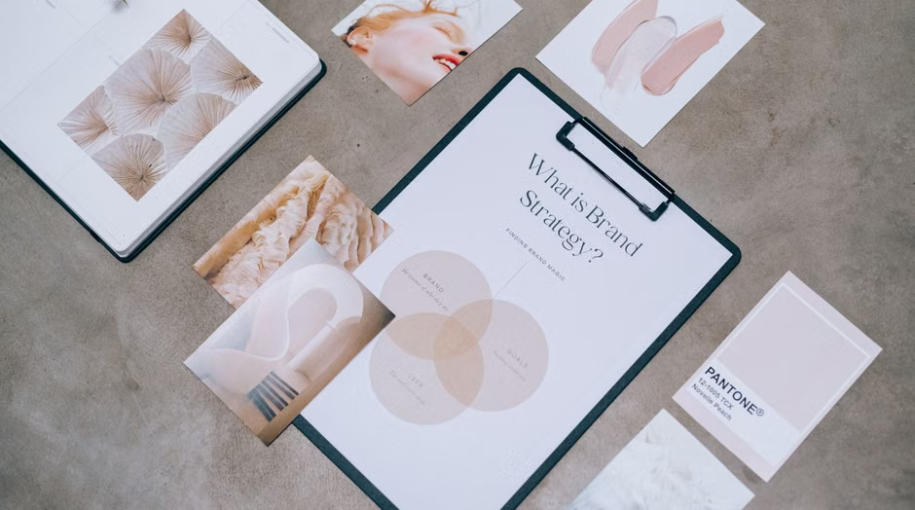
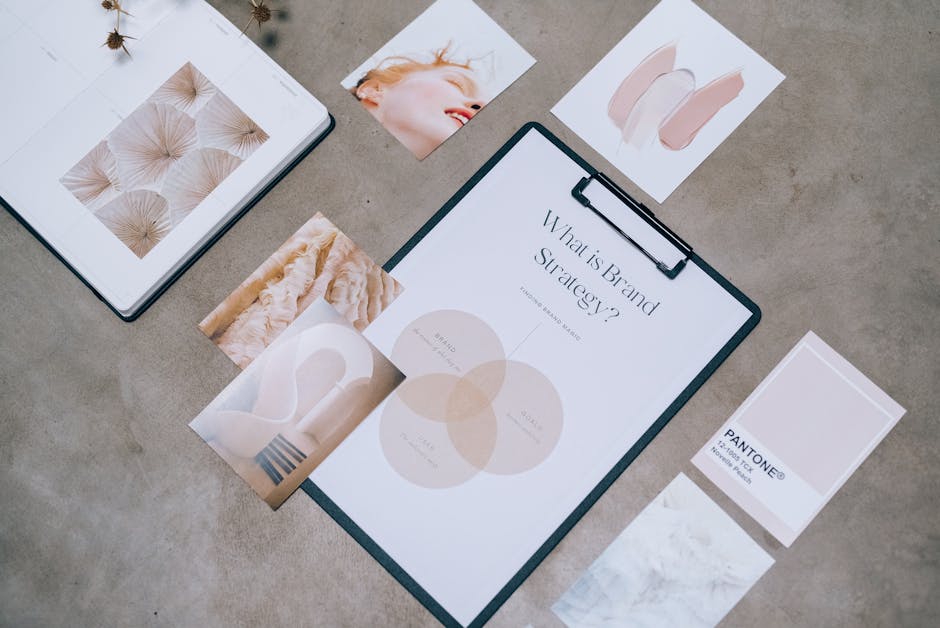
A brand is a name, term, design, symbol or other feature. It sets one seller's goods or services apart from another's. Branding is the work that gives those features meaning. One old definition says branding is the process of giving meaning to an organisation, company, product or service. It does this by creating and shaping a brand. Another definition calls it the process of researching, defining, expressing, applying and managing a brand.
Both definitions point the same way. An identity is not one single asset. It is not finished on the day the logo is signed off. The 5 P's of brand identity give this work a structure. They are Purpose, Positioning, Personality, Perception and Promotion. Each P answers a different question. Each one depends on the others staying steady.
Purpose is the reason a business does what it does, written simply enough that customers and staff can repeat it without a script. Since branding gives meaning to a company, its products and its services, purpose is where that meaning is decided. A workable purpose statement names who the brand serves and what changes for them, then stays narrow enough to guide real decisions.
Vague purpose produces vague branding. If the statement could be pasted onto any competitor's website without anyone noticing, it is not doing its job. The test is whether it settles an argument, for example whether to take a particular project, sponsor an event or launch into a new category.
Questions that sharpen a purpose
Who is the brand for, in specific terms rather than broad demographics?
What problem does it solve that customers would pay to avoid?
What would customers lose if the business closed tomorrow?
Which decisions has the team already made that reveal the real purpose?
Positioning: Where the Brand Sits
Positioning is the spot a brand holds in a market and in a customer's mind. Branding depends on special features that set one seller apart from the rest. So positioning means picking which differences are worth keeping and which ones are just noise. Two companies can sell almost the same products and still hold different positions. This happens because each one leads with different strengths.
Good positioning is comparative. It makes sense only next to alternatives, including the option of buying nothing at all. That means looking at competitors, but also at the habits and budgets customers already live with.
Inputs worth gathering before positioning
A short list of direct competitors and what each is known for.
Notes from sales conversations about the objections that come up most.
The strengths customers mention unprompted in reviews and emails.
Any gaps in the market the business is genuinely equipped to fill.
Personality covers tone of voice, fonts, colour, images, and how the brand acts every day. Branding is often described as the design of clear brand identities for business, marketing, and advertising. Personality is where that design becomes something you can see and hear. It shapes how a headline sounds. It shapes how a support email ends. It also shapes how a label feels in your hand.
Personality should come after purpose and positioning. It should not take their place in your branding. A playful tone on a serious service, or a formal tone on a brand built around spontaneity, creates a mismatch. Customers notice it, even when they cannot explain why.
Where personality shows up
Written copy on the website, in emails and on packaging.
Typefaces, colour palettes and layout rules used consistently.
Photography and illustration choices, including what gets left out.
Customer service language and how staff handle mistakes.

Perception is the version of the brand that lives in other people's heads. Branding aims to build a positive view of a company, its products and its services. That view builds up over time from many assets and actions. It is the honest scoreboard. Everything in the other four P's tries to shape it.
Perception can drift: a brand admired for service may lose that reputation after a change in staff or process. Listening catches the drift early, through enquiry forms, reviews and repeat purchases. Here branding and reality either match or part.
Ways to read perception honestly
Ask new customers what they expected before they made contact.
Track the words people use when they describe the brand to others.
Review complaints for patterns rather than isolated incidents.
Compare how different audiences see the same business.
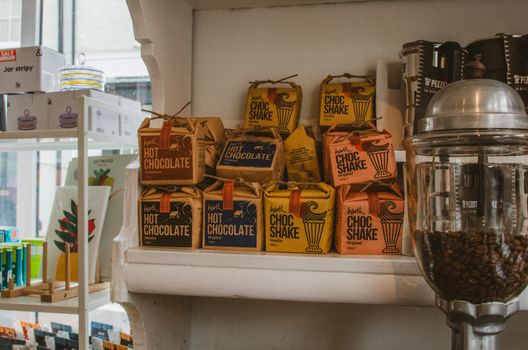
Promotion is where the brand meets the world. It covers campaigns, websites, packaging, signs, print and branded merchandise. It also covers the everyday moments when someone comes across the brand. Branding is an ongoing job: you spot, build and manage the things that shape how people see you. So promotion should show the identity, not make up a new one. If promotion races ahead of the other four P's, the campaigns look busy but say very little.
Consistency across physical and digital touchpoints matters more than volume in branding. A customer who meets the same colours and tone everywhere builds a steadier picture than one who meets five versions of the company.
The 5 P's at a Glance
P | Question it answers | Typical output |
|---|---|---|
Purpose | Why does the brand exist? | Purpose statement, guiding principles |
Positioning | Where does it sit against alternatives? | Positioning statement, audience notes |
Personality | How does it look and sound? | Tone of voice guide, visual identity |
Perception | What do customers believe? | Feedback themes, reputation measures |
Promotion | Where does it reach people? | Campaigns, website, packaging, merchandise |
The order matters, but the process repeats. Purpose and positioning set the direction. Personality makes the brand easy to see. Promotion shares it with the world. Perception sends back what people think. That feedback then shapes positioning and personality again. So branding is a cycle. It is not a one-time job.
A simple order of work
Write the purpose in plain language and test it against past decisions.
Map the competitive set and choose the differences worth owning.
Codify tone of voice and visual rules so others can apply them.
Apply the identity across promotion, from website to packaging to merchandise.
Review perception regularly and adjust the earlier steps when evidence demands it.
Most problems with the 5 P's come from imbalance, not from missing pieces. A brand with strong promotion but weak positioning tends to blend in. A brand with a clear purpose but no visual discipline feels sincere, yet forgettable. A brand that never checks perception keeps repeating the same assumptions long after the market has moved on.
Treating the logo as the whole identity and stopping there.
Copying a competitor's personality because it looks current.
Changing tone of voice with every campaign.
Ignoring what customers actually say in favour of internal opinion.

Many teams can state their purpose. But they find it hard to keep that purpose in every place customers meet the brand. A full-service partner can fill those gaps. Logical Branding is a UK agency. It brings together creative branding, digital skills and manufacturing precision. So identity choices, web design and physical items all follow one set of rules. Teams do not have to juggle three different versions.
The real gain is consistency from idea to finished work. A colour picked in a workshop can show up on a website, a sign and merchandise. No redesign is needed.
What are the 5 P's of brand identity?
Purpose, Positioning, Personality, Perception and Promotion. In branding, purpose is why the brand exists, positioning is where it sits in the market, personality is how it looks and sounds, perception is what customers believe, and promotion is where it meets the public.
Is branding the same as a logo?
A logo is one asset within a brand, not the whole thing. A brand distinguishes one seller's goods or services from another, while branding is the ongoing work of researching, defining, expressing and managing it. Purpose, positioning, tone of voice and consistency do more of the heavy lifting.
How long does it take to change how customers see a brand?
Branding has no fixed timetable. It is ongoing: finding, building and protecting what shapes how people see you. Change comes from steady effort, not one campaign. Signs show up in enquiries, reviews and repeat purchases.
Does brand identity matter for small businesses?
Yes, and small teams gain the most from the clarity, since fewer people have to guess. A one-page purpose, clear position, consistent tone and tidy visual assets are enough to begin.
Why does consistency matter so much?
Perception is built from cumulative assets and actions, so every inconsistent touchpoint dilutes the picture customers hold. A brand that looks and sounds the same across its website, invoices, packaging and merchandise is easier to recognise and easier to trust. Consistency is not rigidity; the underlying identity stays stable while campaigns and products change around it.
Copyright © 2026 Logical Branding. All rights reserved.
