OUR BLOG Ideas, Insights & Branding Inspiration
Discover ideas, practical advice and behind-the-scenes insight on branded merchandise, product design and web design for UK businesses.

Discover ideas, practical advice and behind-the-scenes insight on branded merchandise, product design and web design for UK businesses.
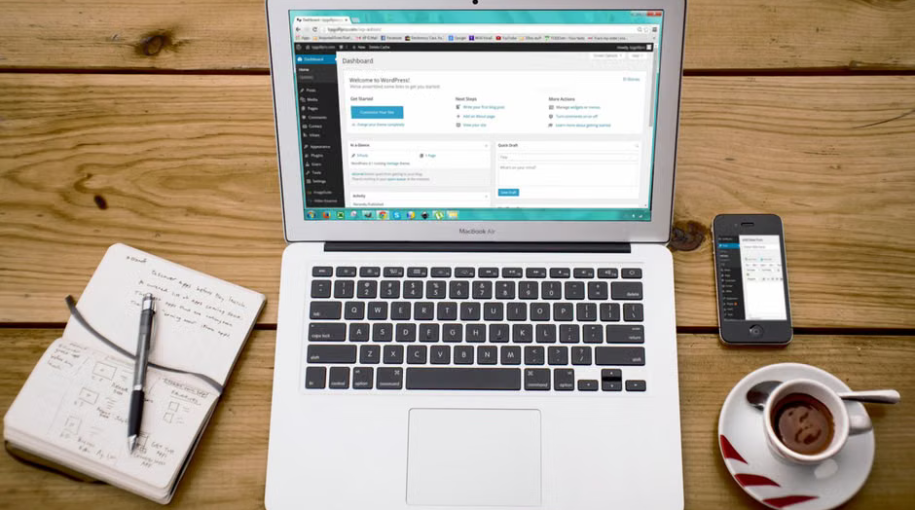

Choosing the right platform for a website is one of the most important decisions any business can make. The software behind the site determines how easily teams can publish content, how well the site can grow, and how safe it remains over time. Joomla has long been a preferred option for organisations that value control and security, and it continues to hold its own among the many content management systems available today. This article explains what a content management system is, why security matters, and why Joomla stands out as one of the most secure choices.
A content management system, often shortened to CMS, is software that empowers you to create, manage and modify digital content without coding expertise. It offers a user-friendly interface for building and maintaining websites and other online platforms. Instead of writing pages from scratch in code, you can work with text, images and layouts through a controlled dashboard.
The definition used across the industry is consistent. A content management system is software that helps users create, manage, store and modify their digital content. It also enables teams to create, manage and publish digital content without relying on customised code. In practice, this means a CMS helps teams create, edit, organise and publish digital content such as web pages, blog posts, images and videos, all from a central location.
One of the key benefits is collaboration. Multiple users can work together, edit content and publish updates from a central dashboard, streamlining workflows and ensuring consistency across the site. Modern CMS platforms offer a range of features to simplify content creation and management, and this combination of accessibility and structure is what makes them so widely adopted.
Because a CMS controls the content that visitors see, it becomes a critical part of your online identity. A security weakness in the platform can put your content, your visitors and your reputation at risk. This is why security should never be an afterthought when choosing a CMS.
Security in a content management system covers several areas. It includes protecting the login process, controlling what each user can do, keeping the software up to date, and ensuring that any extensions or add-ons do not introduce vulnerabilities. A platform that handles these areas well gives site owners confidence that their content is safe from tampering and that sensitive information remains protected.
For businesses that rely on their website to generate leads, sell products or communicate with customers, a secure CMS is not a luxury. It is a basic requirement. The platform needs to be robust enough to withstand attempted attacks while remaining easy enough for staff to use every day.

Joomla was built with a strong emphasis on structure and control, and that philosophy carries through into its approach to security. Several characteristics make it particularly well suited to organisations that take online safety seriously.
Not everyone who works on a website needs the same level of access. Joomla allows site owners to define different user groups and assign specific permissions to each one. An editor might be able to create and modify content, while a super user retains full control over the site configuration. This level of detail reduces the risk of accidental changes and limits the damage that can be done if one account is compromised.
This granular approach is especially valuable for larger teams, where several people may need to contribute to the site without having access to sensitive settings. By keeping administrative functions separate from everyday content tasks, Joomla helps organisations maintain a clear chain of responsibility.
Strong authentication is a central part of any secure system. Joomla supports two-factor authentication, which adds an extra layer of protection beyond a simple username and password. Even if a password is stolen, an attacker still needs the second authentication factor to gain access. This simple but effective measure significantly reduces the chances of unauthorised entry.
In addition, Joomla encourages the use of strong passwords and gives administrators the tools to enforce password policies across their user base. These practices help keep the administrative side of a website firmly closed to outsiders.
No software is immune to vulnerabilities, and the best platforms respond quickly when issues are found. Joomla has a well-earned reputation for releasing security patches in a timely manner. The project maintains a dedicated security team that investigates reported issues and coordinates fixes, so site owners can update their installations with confidence.
Keeping a CMS current is one of the most effective ways to stay secure, and Joomla makes this process straightforward. Regular updates address known issues and keep the platform aligned with modern security standards.
Because Joomla is open-source software, its code is visible to developers around the world. This transparency means that vulnerabilities can be identified and reported by a large community of contributors, rather than remaining hidden inside proprietary code. The community acts as a constant layer of review, which benefits everyone who uses the platform.
The Joomla project also publishes information about security issues and releases, helping administrators understand what has been fixed and why. This openness gives site owners a clearer picture of the platform's security posture than they might get from a closed system.
Joomla operates in a crowded field of content management systems. WordPress is one of the most widely used examples. It is a headful CMS, meaning it comes with a user interface and everything preinstalled, which makes it easy to get started quickly. However, the choice between WordPress and Joomla often comes down to the level of control you need over content structure and user permissions.
Other options in the CMS space include platforms such as Storyblok, Strapi, Decap CMS and Nuxt Content. Some of these are tailored to specific development workflows, while others focus on the editing experience for content teams. Joomla occupies a middle ground. It offers the convenience of a traditional CMS while giving administrators the granular control that more technical teams appreciate.
For businesses that want a balance between ease of use and robust security features, Joomla remains a compelling choice. Its structure suits organisations that need to manage complex content hierarchies, such as corporate websites, online magazines and membership portals.
Joomla is an excellent fit for organisations that want to manage their own website without handing full control to an external developer. Its permission system allows marketing teams to publish content while keeping technical settings in the hands of experienced administrators. This makes it popular with universities, government bodies, charities and businesses that need clear governance around their digital content.
For agencies building websites on behalf of clients, Joomla offers a dependable foundation. It can be tailored to meet individual branding requirements, and its security features give clients peace of mind. A well-maintained Joomla site is a long-term asset, one that can evolve alongside the business it represents.
Of course, no CMS is secure on its own. The security of any website depends on good hosting, strong passwords, regular maintenance and careful management of extensions. Joomla provides the tools and the architecture to support these practices, but site owners still need to use them properly.

The best content management system is one that people actually enjoy using. Joomla achieves this by pairing a secure foundation with a sensible editing experience. Content creators can focus on producing good material, while administrators retain the oversight needed to keep the platform safe.
Security does not have to come at the expense of usability. Joomla demonstrates that a CMS can be both flexible and disciplined, offering the freedom to build rich websites without leaving the door open to avoidable risks. For any organisation that values long-term stability, that combination is hard to beat.
Is Joomla a secure content management system?
Yes. Joomla is widely regarded as one of the more secure content management systems because of its granular user permissions, built-in two-factor authentication and transparent approach to security updates. The project's open-source nature means vulnerabilities are regularly reviewed by a global community. As with any CMS, the overall security of a Joomla site also depends on good hosting, strong passwords and routine maintenance.
Do you need coding skills to use Joomla?
A content management system is designed to allow you to create, manage and modify digital content without coding expertise, and Joomla follows that principle. Everyday tasks such as writing articles, uploading images and organising menus can be handled through the dashboard. Some configuration tasks require a little more familiarity, but a capable administrator can manage the platform without being a developer.
How does Joomla compare with WordPress?
WordPress is a headful CMS that comes with a user interface and everything preinstalled, which makes it quick to set up. Joomla offers a different balance, with more detailed control over user permissions and content organisation. For projects where security governance and structured content are priorities, Joomla's approach is often a better fit.
What types of websites suit Joomla best?
Joomla suits a wide range of websites, including corporate sites, online publications, community portals and membership platforms. Its structured approach makes it ideal for organisations with multiple content contributors and clear user roles. Because it combines flexibility with strong security features, it is also a popular choice for businesses that want to grow their online presence safely.
A content management system removes the need to write custom code for everyday content tasks. It allows teams to create, edit and publish digital content from a central dashboard, which saves time and ensures consistency. It also provides built-in features for collaboration, so multiple users can work on the site without interfering with each other's work.
Copyright © 2026 Logical Branding. All rights reserved.
